Support Indigenous Artisans with Every Purchase and donation.

Get to know us
Preserving Indigenous Textile Artisans' Heritage
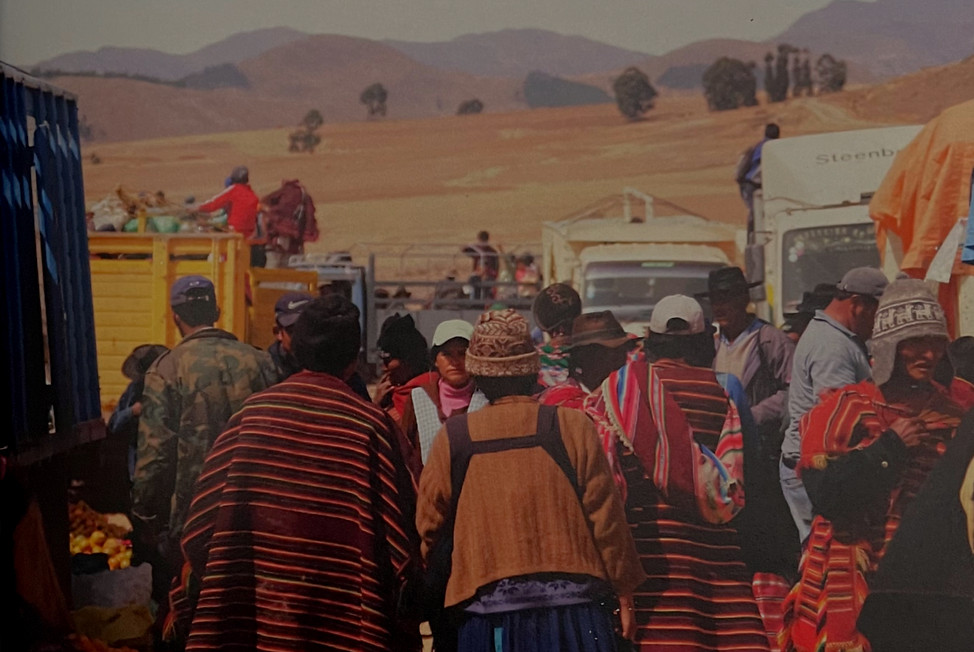
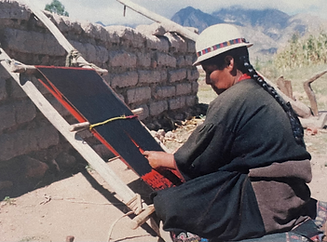
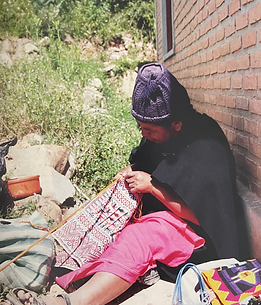
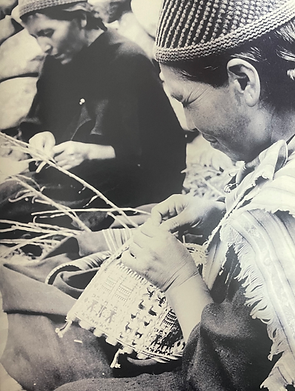
Inca Pallay is a non-profit organization that provides its partners the opportunity to join the market and sell quality products at reasonable prices, through organizing necessary workshops and administration, and commercializing of the products on a local, national and international level, its members are able to sell their products to a wider market, and for a better price.

Development work
How it began
By economic and quantitative definition, two-thirds of humanity were rated as poor, underdeveloped, of the third world and therefore in need of intervention.
Today, thanks to being defined as a "developing country," Bolivia receives millions of dollars in international investment, which arrives each year to help finance the main development projects in Bolivia. The amount of international investment is high, but it is not clear how much actually reaches the families in need of the aid and despite growing investment, there is no visible impact of the results. The projects in action often face problems of sustainability once funding is withdrawn by the foreign investors.
South Andean, the region of the Altiplano (high plateau) is the poorest of Bolivia. The anthropologists Gabriel Martinez, Veronica Cereceda and Ramiro Molina began an investigation into this region of Chuquisaca. In 1987 they created the Foundation for Anthropological Research and the Ethno (ethnic or ethnics "Anthropologists of the South Andean," ASUR). The Association of Indigenous Art Inca Pallay was created in 2000 as a pilot project by ASUR with the idea of self-management and self-sustainability of the project Art-Textile-Tarabuco Jalq'a. Two years after its founding, ASUR and Inca Pallay became separate institutions.

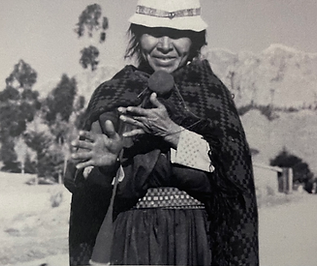

More about Inca Pallay
Organization
Our cooperative organization comprises 16 production units, each with a minimum of 5 members. Each unit has its own board, consisting of 3 to 5 positions, on its size. Elections for the directors of each production unit are held every years, and directors may a maximum of two terms. Every unit selects two delegates to represent them at the annual general meeting, while the highest authority of the cooperative is the General Assembly, which also conducts board member elections biennially. Members contribute an annual fee of Bolivianos supporting our collective goals and initiatives.
Goals of this project
The goals of this project:
• to create changes in gender division of work and organization
• decreased migration
• greater political participation of women in their communities
• self-management and self-sustainability of the project
• cultural recovery, focusing on the recovery of textile designs
• marketing of textiles
• the generation of a steady income